
Chile and Argentina among coldest places on Earth as polar anticyclone grips region
On 30 June, both Chile and Argentina ranked among the coldest places on Earth, outside the polar regions. Governments in both countries issued early warnings and cold-weather alerts in response to the “polar-origin anticyclone”…

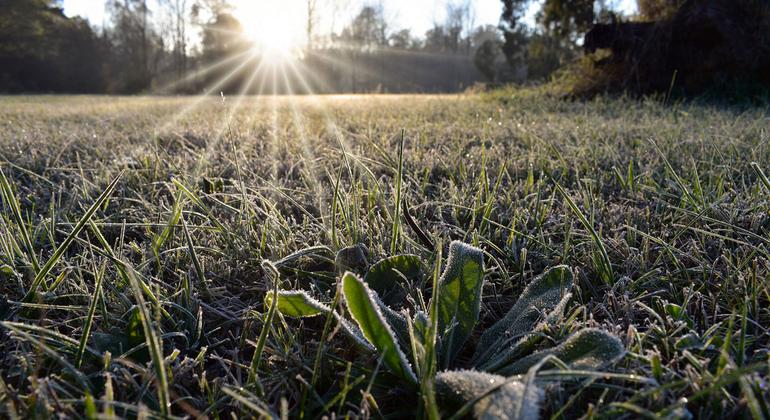
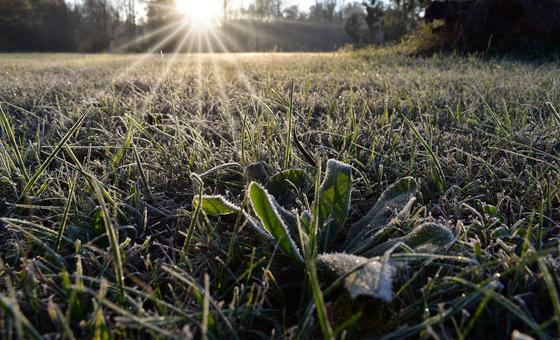
On 30 June, both Chile and Argentina ranked among the coldest places on Earth, outside the polar regions.
Governments in both countries issued early warnings and cold-weather alerts in response to the “polar-origin anticyclone” behind the extreme conditions, WMO said.
The cold snap in South America contrasts blistering heat in the northern hemisphere, especially in Europe, putting lives at risk and further underscores the worsening impacts of climate change.
Heating systems affected
In Mar del Plata, Argentina – about 380 kilometres (240 miles) south of Buenos Aires – where winters are “cool” and temperatures seldom drop below freezing, the unusual cold snap has affected natural gas distribution, primarily used for heating.
A UN staff member in the city reported that businesses were asked to remain closed to conserve gas supplies for homes. Schools and public buildings were also shut on Thursday and possibly Friday.
Across much of central and southern Argentina, temperatures were 10°C to 15°C – 50°F to 59°F – below seasonal averages.
Unusual weather conditions
The cold spell began on 26 June and peaked on 30 June, bringing record lows to large parts of the continent.
“Although the Andean mountains and Patagonia are no strangers to cold temperatures in winter, the severity of this event was exceptional and even affected low-lying areas,” WMO said in a news release.
The high-pressure system brought atmospheric stability, resulting in clear skies and widespread severe frost.
In Chilean cities of Santiago, Rancagua and Talca, stagnant cold air led to a buildup of pollutants and deteriorating air quality.
National meteorological services in both Chile and Argentina reported record low temperatures at multiple weather stations.
Remarkably, snow blanketed parts of the Atacama Desert – the driest place on Earth – for the first time in over a decade. Snow also fell in unusual locations such as Mar del Plata, the Calamuchita Valley in Córdoba, and the hilly regions of northern Patagonia.
Far-reaching impacts
Concerns are growing over the broader societal and economic impacts of the extreme cold.
Farmers in central Chile and northern Patagonia have reported crop damage due to early frosts, threatening fruit and winter harvests.
Meanwhile, transport and schooling were disrupted in towns unaccustomed to such severe winter weather.
More from Geopolitics & Diplomacy Desk

Qatar’s 2030 Strategy Puts Productivity at Centre
Qatar’s next development phase is focused less on headline expansion and more on productivity, diversification and private-sector capability.

Oman Vision 2040 Seeks Quieter Path to Integration
Oman’s long-term reform agenda is drawing attention as a measured model of diversification, logistics and regional connectivity.

Synthetic drug market disrupted in Syria after regime change
Captagon, a highly addictive stimulant, has been circulating illegally from the Middle East to Africa and back with…