
Nigeria: Amid record hunger and surging insecurity, emergency food assistance to stall entirely
While WFP has been able to hold hunger at bay across northern Nigeria in the first half of 2025, funding shortfalls are jeopardising such efforts, with lifesaving programmes set to grind to a halt…

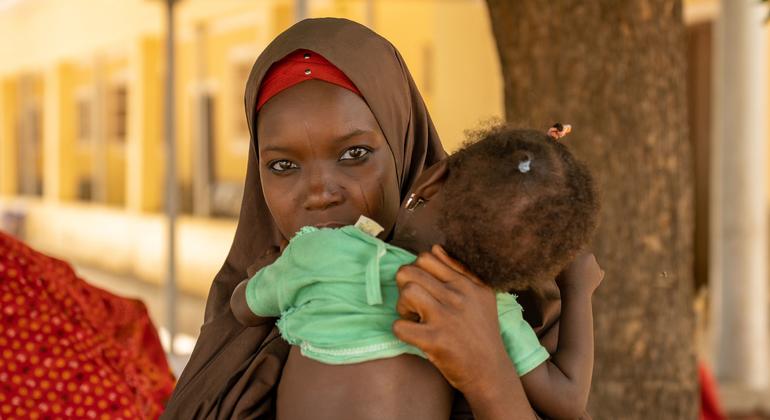
While WFP has been able to hold hunger at bay across northern Nigeria in the first half of 2025, funding shortfalls are jeopardising such efforts, with lifesaving programmes set to grind to a halt by the end of July.
Without immediate funding, millions of vulnerable people will be left without food assistance as WFP’s food and nutrition stocks have been completely exhausted, with the organization’s last supplies leaving warehouses in early July.
With lifesaving assistance set to end after the current round of distributions is completed, millions of vulnerable people will face impossible choices: endure increasingly severe hunger, migrate or even risk possible exploitation by extremist groups in the region.
Children at risk
“Nearly 31 million people in Nigeria are now facing acute hunger, a record number,” said WFP Country Director David Stevenson, with children set to be among the worst affected if vital aid ends.
With more than 150 WFP-supported nutrition clinics in Borno and Yobe states set to close if funding is not renewed, over 300,000 children under the age of two will lose access to potential lifesaving treatment.
“This is no longer just a humanitarian crisis,” he said. “It’s a growing threat to regional stability as families pushed beyond their limits are left with nowhere to turn.”
Extremist groups
In conflict-affected areas in the north, escalating violence from extremist groups is driving mass displacement, with some 2.3 million people across the Lake Chad Basin having been forced to flee their homes.
As mass displacement strains already limited resources and pushes communities to the brink, the lack of emergency food assistance risks increasing recruitment by these groups.
“When emergency assistance ends, many will migrate in search of food and shelter. Others will adopt negative coping mechanisms, including potentially joining insurgent groups, to survive,” said Mr. Stevenson.
“Food assistance can often prevent these outcomes,” he added, as WFP urgently seeks $130 million to sustain food and nutrition operations through the end of the year.
More from Geopolitics & Diplomacy Desk

Qatar’s 2030 Strategy Puts Productivity at Centre
Qatar’s next development phase is focused less on headline expansion and more on productivity, diversification and private-sector capability.

Oman Vision 2040 Seeks Quieter Path to Integration
Oman’s long-term reform agenda is drawing attention as a measured model of diversification, logistics and regional connectivity.

Synthetic drug market disrupted in Syria after regime change
Captagon, a highly addictive stimulant, has been circulating illegally from the Middle East to Africa and back with…