
UN Security Council blocks China-Russia resolution on Iran sanctions
China and Russia tabled the draft which received four votes in favour, nine against and two abstentions. The text sought to extend the Joint Comprehensive Plan of Action (JCPOA) for six months until next…

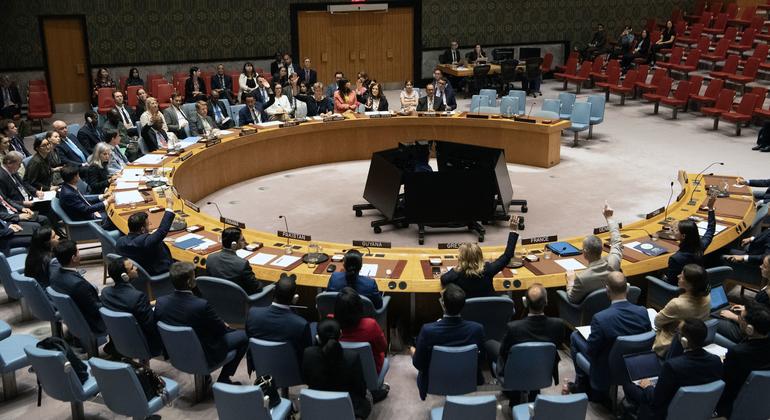
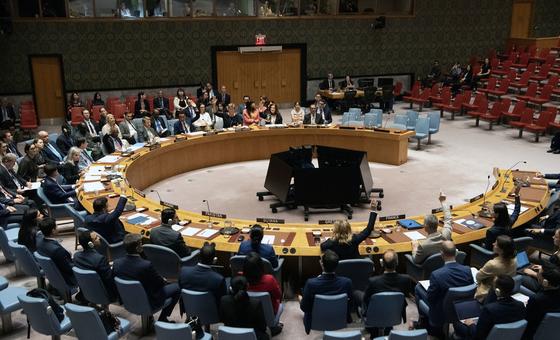
China and Russia tabled the draft which received four votes in favour, nine against and two abstentions.
The text sought to extend the Joint Comprehensive Plan of Action (JCPOA) for six months until next April, as well as Council resolution 2231(2015) that endorsed it. It also encouraged continued engagement between Iran and the International Atomic Energy Agency (IAEA).
Sanctions ‘snapback’
The rejection means that sanctions that were lifted under the deal will be re-imposed starting on Saturday evening.
The development comes a month after three European countries that signed the agreement – France, Germany and the United Kingdom – notified the Council about what they described as Iran’s “significant non-performance” and violations, thus triggering the so-called “snapback mechanism”.
China’s representative deeply regretted that the resolution was not adopted and called for upholding regional peace and stability.
“A breakdown in the Iranian nuclear issue could trigger a new regional security crisis which runs counter to common interests of the international community,” he said.
Ambassador Barbara Woodward explained why the UK voted no, saying “as this Council knows, Iran is defying the global non-proliferation regime”. Furthermore, its nuclear escalation has been detailed in over 60 IAEA reports over the past six years.
“Iran’s actions mean that the IAEA is unable to confirm that Iran’s nuclear programme is exclusively peaceful,” she said.
“Among the steps Iran has taken is the accumulation of a high enriched uranium stockpile which lacks any credible civilian justification and is unprecedented for a State without a nuclear weapons programme.”
United States Deputy Representative Dorothy Shea was pleased that the Council rejected what she called “this last-ditch effort by the Russian Federation and China”, calling the text “a hollow effort to relieve Iran of any accountability for its continued significant non-performance of its nuclear commitments.”
Russia’s Deputy Permanent Representative Dmitry Polyanskiy addressed nations who refused to support the draft.
“Now, there certainly are no longer any illusions,” he said. “These countries have definitively demonstrated that all of their assurances about their focus on arriving at a diplomatic resolution to the Iranian nuclear programme issue for all of these years, were mere noise.”
More from Geopolitics & Diplomacy Desk
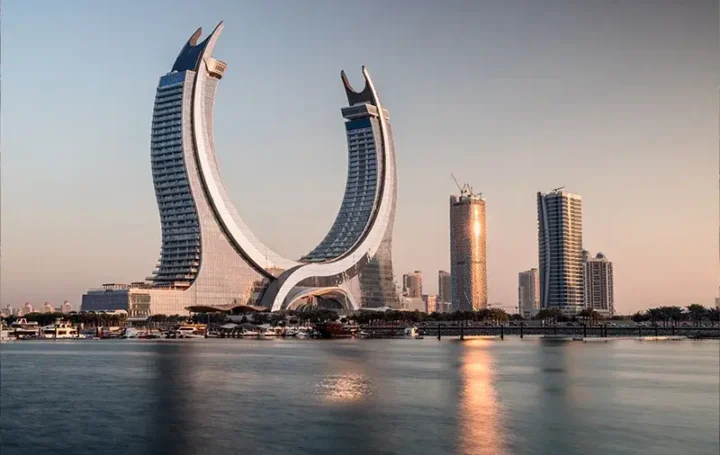
Qatar’s 2030 Strategy Puts Productivity at Centre
Qatar’s next development phase is focused less on headline expansion and more on productivity, diversification and private-sector capability.
Oman Vision 2040 Seeks Quieter Path to Integration
Oman’s long-term reform agenda is drawing attention as a measured model of diversification, logistics and regional connectivity.

Synthetic drug market disrupted in Syria after regime change
Captagon, a highly addictive stimulant, has been circulating illegally from the Middle East to Africa and back with…