
UN appeals for stronger support for Syria, with millions still in need
Deputy Special Envoy for Syria Najat Rochdi, briefing from Damascus, called for a renewed commitment to the participation of women in the country’s political transition, saying their exclusion risks undermining hard-won progress. Seat at…

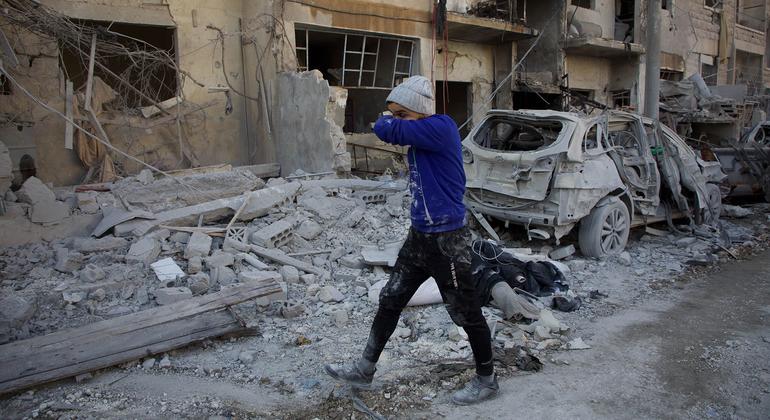

Deputy Special Envoy for Syria Najat Rochdi, briefing from Damascus, called for a renewed commitment to the participation of women in the country’s political transition, saying their exclusion risks undermining hard-won progress.
Seat at the table
“Syrian women have the right to participate fully and meaningfully in determining the future of the country,” she said. “They led and sacrificed for survival, justice and equality through more than a decade of conflict.”
She noted that while six women were elected to 119 contested seats in the new transitional People’s Assembly, “the share of women is inconsistent with the societal and political role that Syrian women have long played,” according to the Supreme Committee for Elections.
She urged authorities to “design future electoral processes to protect their legitimate right to participate and to maximise opportunities for their representation.”
Participation of women is not symbolic but “a prerequisite for the rule of law and equality” in any post-conflict situation, Ms. Rochdi emphasised.
Broader political situation
Turning to the broader political landscape, the Deputy Special Envoy described the 5 October indirect elections for the transitional legislature as “largely peaceful,” though marred by under-representation of women and minorities and reports of opaque procedures.
She said the UN had not been involved but had “counselled the importance of transparency and inclusivity.”
She also urged lifting economic sanctions “at a larger and quicker scale to give this transition a chance to succeed,” saying that “monumental levels of tangible support will be needed from the international community.”
Humanitarian crisis
On the humanitarian front, Ramesh Rajasingham of the UN aid coordination office, said more than 70 per cent of Syrians still need aid, with the UN’s response plan only 19 percent funded – one of the lowest among major global appeals.
Without additional funding, agencies will have to scale back by January, he warned, noting that more than 340 health facilities have already suspended services, cutting access for over seven million people.
Mr. Rajasingham called on ambassadors and the wider international community to act with urgency.
“Syria has a viable path forward towards Syrian-led recovery, supported by development partners,” he said. “But getting there will require decisive and sustained action from the international community, including maintaining the flow of critical humanitarian aid as these efforts advance.”
More from Geopolitics & Diplomacy Desk
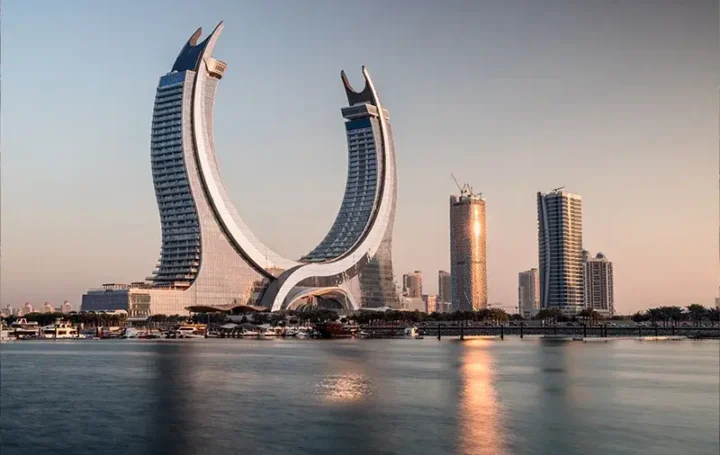
Qatar’s 2030 Strategy Puts Productivity at Centre
Qatar’s next development phase is focused less on headline expansion and more on productivity, diversification and private-sector capability.
Oman Vision 2040 Seeks Quieter Path to Integration
Oman’s long-term reform agenda is drawing attention as a measured model of diversification, logistics and regional connectivity.

Synthetic drug market disrupted in Syria after regime change
Captagon, a highly addictive stimulant, has been circulating illegally from the Middle East to Africa and back with…