
Lebanon: UN peacekeeping patrol targeted by Israeli tank, IDF blames ‘misidentification’
According to the UN peacekeeping mission, bursts of heavy artillery hit an area just five meters away from the UNIFIL blue helmets, who had to beat a hasty retreat and take shelter in the…

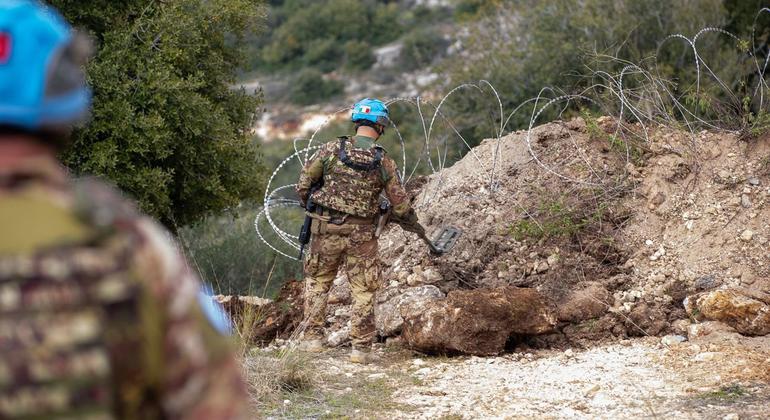
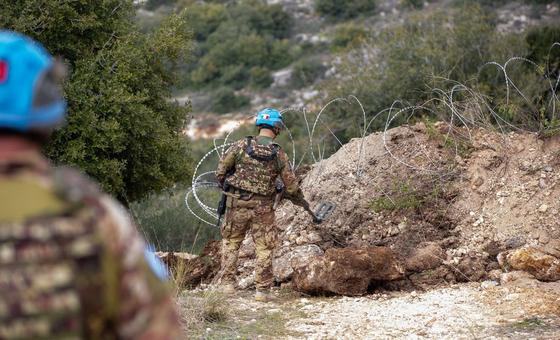
According to the UN peacekeeping mission, bursts of heavy artillery hit an area just five meters away from the UNIFIL blue helmets, who had to beat a hasty retreat and take shelter in the terrain.
Mission representatives were able to contact the IDF (Israeli Defence Force) via their communications channels and ask them to stop firing, UNIFIL explained in a press release. The patrol was able to leave safely half an hour later, when the tank withdrew to IDF positions.
“Fortunately, no one was injured,” the statement said, adding that the attack was a serious violation of Security Council Resolution 1701, which was adopted in 2006 in order to resolve the war between Israel and the Hezbollah militia.
In response to queries from local media, IDF representatives reportedly claimed that the attack was the result of UNIFIL troops being “misidentified” due to the weather conditions, and that it had not intention of firing on the peacekeepers.
This is the third incident of its kind in the last three months. On 2 September, IDF drones dropped four grenades close to UNIFIL peacekeepers working to clear roadblocks hindering access to a UN position near the “Blue Line”, the buffer zone between Israel and Lebanon patrolled by UNIFIL.
On 26 October UNIFIL reported that an Israeli drone dropped a grenade near a UN patrol, followed by tank fire directed at peacekeepers.
A mission nearing the end of its journey
The incident comes at a delicate time for UNIFIL, which is set to close its doors at the end of 2027, after nearly half a century of presence along the Blue Line. Established in 1978 by the Security Council to oversee the withdrawal of Israeli troops from southern Lebanon, the mission – currently numbering 10,500 peacekeepers – has emerged as a central element of the region’s relative stability.
Its mandate was strengthened after the 2006 war between Israel and Hezbollah, and then again following deadly fighting between the two sides last Autumn, devastating several towns in southern Lebanon. Since the cessation of hostilities in November 2024, UNIFIL has supported the redeployment of the Lebanese National Army to territory where the state is struggling to reassert its authority, while Israel maintains military positions in some areas.
“Yet again, we call on the IDF to cease any aggressive behaviour and attacks on or near peacekeepers,” UNIFIL insisted, recalling that its troops are “working to restore the stability to which both Israel and Lebanon say they seek”.
More from Geopolitics & Diplomacy Desk
Qatar’s 2030 Strategy Puts Productivity at Centre
Qatar’s next development phase is focused less on headline expansion and more on productivity, diversification and private-sector capability.
Oman Vision 2040 Seeks Quieter Path to Integration
Oman’s long-term reform agenda is drawing attention as a measured model of diversification, logistics and regional connectivity.

Synthetic drug market disrupted in Syria after regime change
Captagon, a highly addictive stimulant, has been circulating illegally from the Middle East to Africa and back with…