
UN calls for legal safeguards for AI in healthcare
The warning comes in a report by the UN World Health Organization’s (WHO) office in Europe, where AI is already helping doctors to spot diseases, reduce administrative tasks and communicate with patients. The technology…


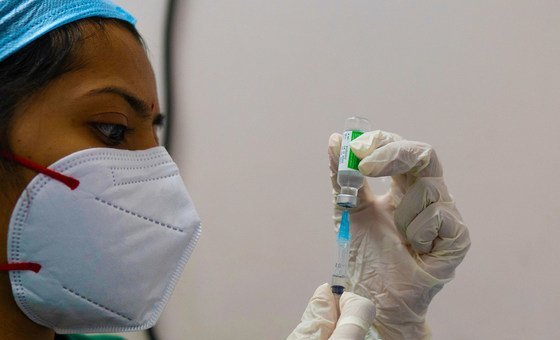
The warning comes in a report by the UN World Health Organization’s (WHO) office in Europe, where AI is already helping doctors to spot diseases, reduce administrative tasks and communicate with patients.
The technology is reshaping how care is delivered, data are interpreted, and resources are allocated.
“But without clear strategies, data privacy, legal guardrails and investment in AI literacy, we risk deepening inequities rather than reducing them,” said Dr. Hans Kluge, WHO Regional Director for Europe.
Transforming healthcare
The report is the first comprehensive assessment of how AI is being adopted and regulated in health systems across the region. The survey was sent to the 53 countries there, and 50 participated.
Although nearly all recognize how AI could transform healthcare – from diagnostics to disease surveillance to personalized medicine – only four countries have a dedicated national strategy and a further seven are developing one.
Some countries are taking proactive steps such as Estonia, where electronic health records, insurance data and population databases are linked in a unified platform that supports AI tools.
Finland also has invested in AI training for health workers, while Spain is piloting AI for early disease detection in primary healthcare.
Challenges and constraints
However, across the region, regulation is struggling to keep pace with technology.
Forty-three countries, 86 per cent, report legal uncertainty as their top barrier to AI adoption, while 39 – that’s 78 per cent – cite financial affordability.
Meanwhile, less than 10 per cent of countries have liability standards for AI in health, critical for determining who is responsible in the event an AI system makes a mistake or causes harm.
“Despite these challenges, there is a broad consensus on the policy measures that could facilitate the uptake of AI,” the report said.
“Nearly all Member States viewed clear liability rules for manufacturers, deployers and users of AI systems as a key enabler. Similarly, guidance that ensures transparency, verifiability and explainability of AI solutions is considered essential for building trust in AI-driven outcomes.”
Prioritize people always
WHO urged countries to develop AI strategies that align with public health goals.
They were also encouraged to invest in an AI-ready workforce, strengthen legal and ethical safeguards, engage with the public and improve cross-border data governance.
“AI is on the verge of revolutionizing healthcare, but its promise will only be realized if people and patients remain at the centre of every decision,” said Dr. Kluge.
“The choices we make now will determine whether AI empowers patients and health workers or leaves them behind.”
More from Technology & AI Desk

Qatar’s 2030 Strategy Puts Productivity at Centre
Qatar’s next development phase is focused less on headline expansion and more on productivity, diversification and private-sector capability.

Oman Vision 2040 Seeks Quieter Path to Integration
Oman’s long-term reform agenda is drawing attention as a measured model of diversification, logistics and regional connectivity.

Synthetic drug market disrupted in Syria after regime change
Captagon, a highly addictive stimulant, has been circulating illegally from the Middle East to Africa and back with…