
Crypto in the spotlight as ADGM reveals next wave of digital asset rules
Abu Dhabi Global Market (ADGM) has introduced a new round of updates to its digital asset regulatory framework, with the Financial Services Regulatory Authority (FSRA) outlining measures aimed at tightening oversight while continuing to…

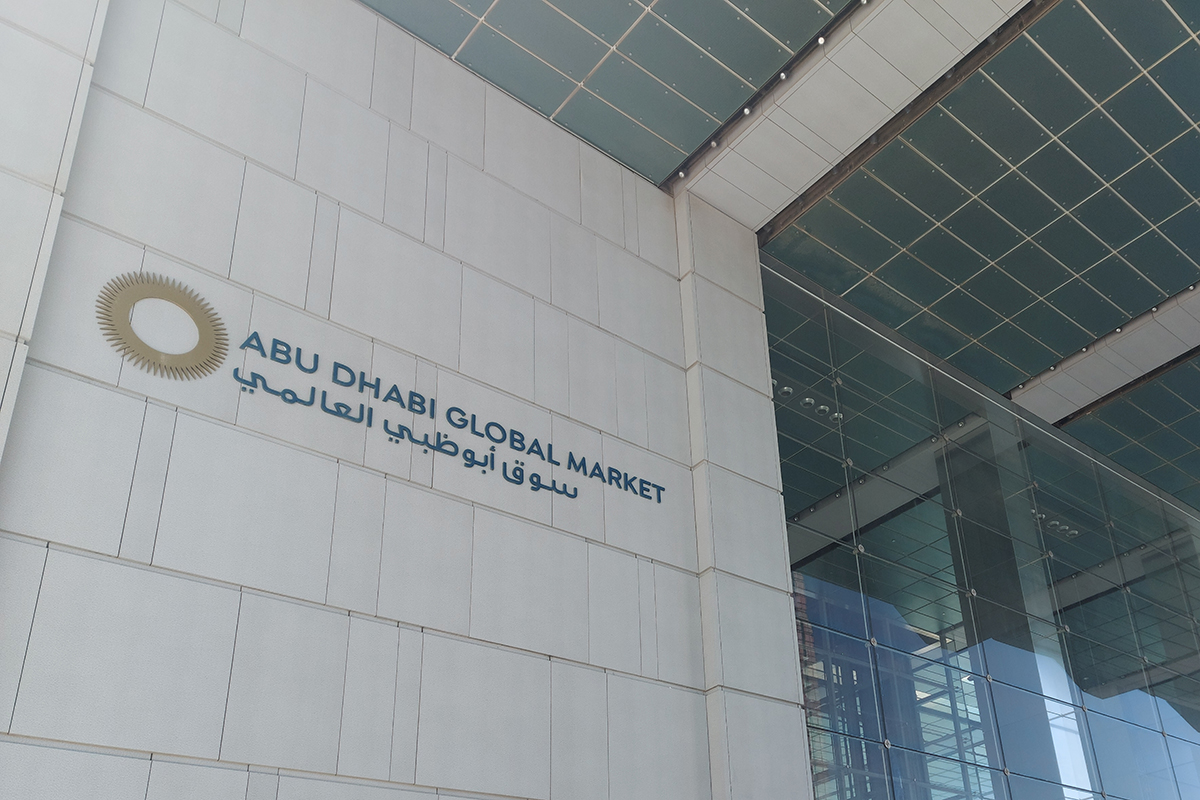
Abu Dhabi Global Market (ADGM) has introduced a new round of updates to its digital asset regulatory framework, with the Financial Services Regulatory Authority (FSRA) outlining measures aimed at tightening oversight while continuing to encourage innovation across the fast-growing sector.
The announcements were made during Fintech Abu Dhabi at Abu Dhabi Finance Week, where ADGM positioned the enhancements as the latest step in its long-running effort to establish itself as a global leader in digital asset regulation.
ADGM has regulated virtual assets since 2018, becoming one of the first jurisdictions to introduce a bespoke framework for the sector. Its ecosystem has since grown to include more than 20 regulated firms licensed to conduct activities involving virtual assets or fiat-referenced tokens, ranging from exchanges and custodians to asset managers and token issuers.
ADGM expands virtual asset rules
Following industry consultation, the FSRA has now refined several areas of its virtual asset framework. The adjustments include changes to the process for classifying assets as Accepted Virtual Assets within ADGM, revised capital requirements and fees for virtual asset firms, expanded investment options for venture capital funds and the introduction of a specific product intervention power targeted at virtual assets.
The FSRA said these steps mark an important phase in the ongoing evolution of its rulebook.
Staking, a fast-growing activity in digital markets, is also under review. In September 2025, the FSRA issued a consultation paper outlining a proposed regulatory approach for virtual asset staking, including which authorised firms could conduct staking using client assets. Feedback is now being assessed ahead of any final rulemaking.
The regulator has also advanced its framework for fiat-referenced tokens. Building on rules introduced in December 2024, the FSRA finalised amendments in October this year that clarify how these tokens may be accepted for use within ADGM.
Effective 1 January 2026, the revised rules widen the scope of regulated activities that can involve fiat-referenced tokens and address emerging business models, while applying proportionate risk-based requirements.
Emmanuel Givanakis, CEO of the FSRA, said the latest updates are designed to ensure ADGM remains at the forefront of regulatory development. “The FSRA continues to enhance its digital asset regulatory framework to remain forward-looking and responsive to the next wave of financial innovation, including tokenisation, DeFi and AI-driven market participation. Our approach balances innovation with strong governance, risk-based supervision and alignment with global standards. We are committed to enabling digital asset firms to scale within a well-regulated international financial centre that prioritises transparency, resilience and long-term stability.”
More from Technology & AI Desk

Abu Dhabi Property Market Draws Institutional Focus
Abu Dhabi’s real-estate market is gaining attention as regulation, demand and sovereign-linked development make the sector more institutional.

Dubai 2040 Brings Liveability Into Growth Debate
Dubai’s long-term urban plan places housing, mobility, public space and district design at the centre of the city’s…

Saudi Logistics Plan Moves From Strategy to Capacity
Saudi Arabia’s logistics agenda is becoming a national competitiveness test as the kingdom works to connect ports, airports,…