
Samsung and Hyundai lead $480bn South Korea investment drive
Samsung Electronics and other major South Korean companies have unveiled substantial new domestic investment plans following a trade deal between Seoul and Washington aimed at easing US tariffs, according to a report by the…

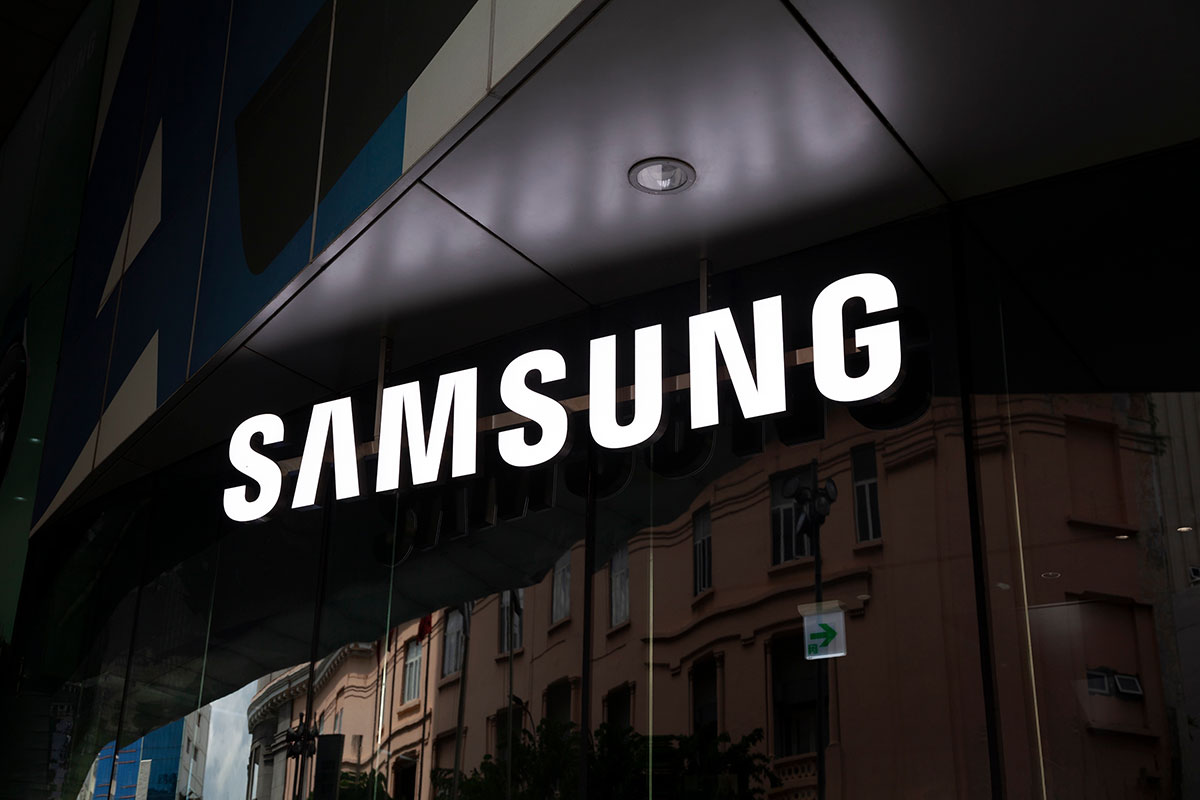
Samsung Electronics and other major South Korean companies have unveiled substantial new domestic investment plans following a trade deal between Seoul and Washington aimed at easing US tariffs, according to a report by the Associated Press.
President Lee Jae Myung met with business leaders on Sunday, days after his government finalised the agreement, which will see South Korea invest US$350 billion in US industries in exchange for avoiding steep tariffs under the Trump administration’s new trade framework.
Samsung, a global semiconductor leader, announced plans to invest 450 trillion won (US$310 billion) over the next five years to expand its local operations. The investment includes building a new production line at its Pyeongtaek manufacturing hub, expected to begin operations in 2028, to meet growing global demand for memory chips driven by artificial intelligence.
The company also plans to establish AI data centres in South Jeolla Province and Gumi, part of broader efforts to promote regional economic balance beyond the Seoul metropolitan area.
Hyundai Motor Group, South Korea’s largest automaker, said it will invest 125 trillion won (US$86.3 billion) between 2026 and 2030 in research, development and next-generation technologies, including robotics, self-driving vehicles and AI.
Other conglomerates, including SK Group, Hanwha Ocean and HD Hyundai, also pledged to boost domestic investments. SK Chair Chey Tae-won said his group would invest at least 128 trillion won (US$88.3 billion) in South Korea through 2028, primarily in artificial intelligence.
Chey noted that the finalisation of trade talks with the United States “eases uncertainties and paves the way for bolder domestic investment.”
The trade deal, announced on Friday, includes US$150 billion in South Korean investments in the US shipbuilding sector and an additional US$200 billion in other American industries, capped at US$20 billion annually to avoid financial instability.
In return, the United States agreed to reduce tariffs on South Korean cars and auto parts from 25 per cent to 15 per cent, and to apply future tariffs on South Korean semiconductors under terms “no less favourable” than those offered to other competitors.
President Lee praised the companies’ contributions to securing the trade deal and urged them to maintain strong domestic commitments to allay concerns over potential capital outflows. He added that the government is considering new measures, including regulatory reforms, to strengthen the business environment at home.
More from Capital & Sovereign Wealth Desk
Saudi Logistics Plan Moves From Strategy to Capacity
Saudi Arabia’s logistics agenda is becoming a national competitiveness test as the kingdom works to connect ports, airports,…
India–GCC FTA Talks Put Trade Corridor in Focus
India and the GCC have moved from strong trade flows to a more formal negotiation over rules, services,…
Gulf Wealth Funds Take Wider Role in National Strategy
Sovereign investors across the Gulf are increasingly operating as instruments of industrial policy, global capital influence and domestic…