
Saudi fintech Tamara gains UAE Central Bank approval to boost Gulf expansion
Saudi Arabia’s first homegrown fintech unicorn, Tamara, has received a restricted finance licence from the Central Bank of the United Arab Emirates (CBUAE), the company announced on Monday. With the restricted finance licence, Tamara…

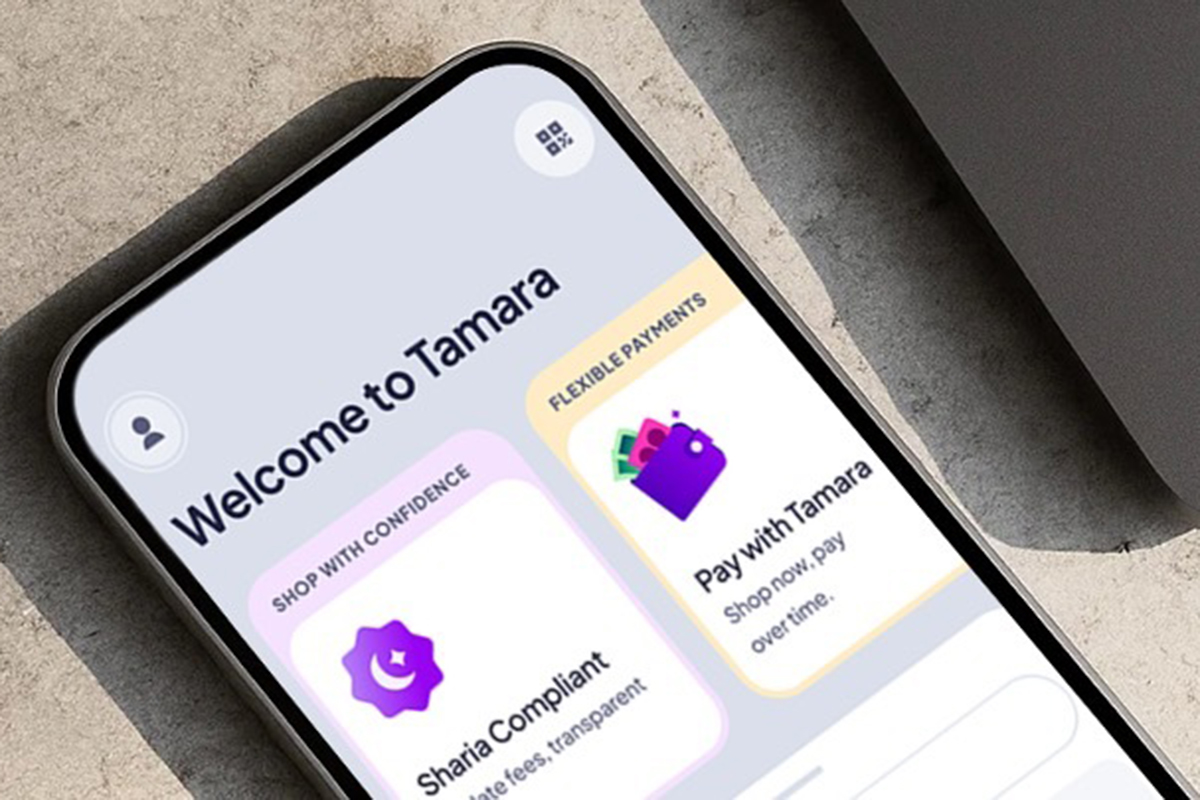
Saudi Arabia’s first homegrown fintech unicorn, Tamara, has received a restricted finance licence from the Central Bank of the United Arab Emirates (CBUAE), the company announced on Monday.
With the restricted finance licence, Tamara can now expand its operations in the UAE while contributing to the country’s Vision 2031 economic diversification goals.
“This milestone fundamentally strengthens our entire operation in the UAE and serves as the catalyst for our ambitious future here,” said Yamen Fakhreddine, CEO of Tamara UAE.
“The path is now clear to achieve our mission to help people own their dreams by building the most customer-centric financial super-app in the world.”
Tamara said it aims to build new products and partnerships that enhance customer and merchant confidence, including expanded credit and payment offerings.
The announcement comes a month after Tamara secured a Shari’ah-compliant, asset-backed facility of up to $2.4 billion from Goldman Sachs, Citi, and Apollo funds. The deal, one of the largest of its kind in the region, was designed to fund the company’s expansion of credit and payment services.
Earlier in September, Tamara also announced a partnership with national carrier Saudia to offer flexible instalment plans of up to 24 months on flight bookings, extending its buy-now-pay-later (BNPL) model beyond retail into travel.
Tamara, backed by Sanabil Investments – a wholly owned company by Saudi Arabia’s Public Investment Fund (PIF) – serves more than 20 million customers and partners with major global and regional brands including Apple, SHEIN, IKEA, and Amazon.
The fintech, headquartered in Riyadh, aims to expand its role in the Gulf’s digital finance sector as Saudi Arabia and the UAE push ahead with broader economic diversification plans under their national visions.
More from Technology & AI Desk

Saudi Logistics Plan Moves From Strategy to Capacity
Saudi Arabia’s logistics agenda is becoming a national competitiveness test as the kingdom works to connect ports, airports,…
India–GCC FTA Talks Put Trade Corridor in Focus
India and the GCC have moved from strong trade flows to a more formal negotiation over rules, services,…

Gulf Wealth Funds Take Wider Role in National Strategy
Sovereign investors across the Gulf are increasingly operating as instruments of industrial policy, global capital influence and domestic…