
Europe’s health system under strain as doctors and nurses face mental health crisis
The landmark survey, funded under WHO/Europe’s project with the European Commission – coinciding with World Mental Health Day – analysed nearly 100,000 responses from 29 countries, from October 2024 until April this year. The…

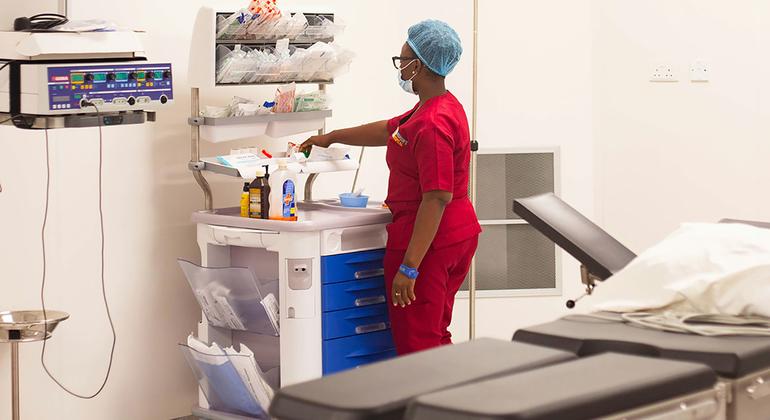
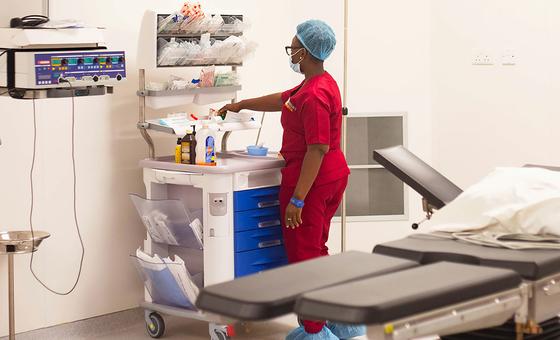
The landmark survey, funded under WHO/Europe’s project with the European Commission – coinciding with World Mental Health Day – analysed nearly 100,000 responses from 29 countries, from October 2024 until April this year.
The key finding is that doctors and nurses are working in conditions that harm their mental health and well-being – also impacting patients.
“Ultimately, the mental health crisis among our health workers is a health security crisis, threatening the integrity of our health systems,” said Hans Henri P. Kluge, WHO’s Europe Director.
Work conditions fuelling anxiety, depression
The numbers reveal systemic problems. One in four doctors work over 50 hours a week and a third are on temporary employment contracts – a situation strongly linked to increased anxiety over job security.
Meanwhile, doctors and nurses show double the prevalence of suicidal thoughts compared to the general population.
One in 10 said they had thoughts of being “better off dead” or “hurting themselves” in the past two weeks, the WHO analysis shows.
Such unsafe work is directly linked to poor mental health.
For the one in three doctors and nurses who experience violence, and the rest who work consistently long hours – depression, anxiety and suicidal thoughts are common.
“We chose a path of humanity, but that does not mean we stop being human ourselves,” said Mélanie Debarreix, a radiology resident from France.
Despite the worrying figures, three quarters of all doctors and two out of three nurses expressed a strong sense of purpose and meaning resulting from their work.
‘Unbearable pressure’
The survey shows that 11 to 34 per cent of health workers are considering quitting. This puts patients at risk of experiencing longer wait times and reduced quality of care, WHO said.
A past WHO/Europe report found that already in 2022, recruitment of health and care workers was not keeping pace with rising demand, putting unbearable pressure on the overall system.
Europe is projected to have a shortage of 940,000 health workers by 2030 according to Dr. Kluge.
“Their well-being is not only a moral obligation – it is the foundation of safe, high-quality care for every patient,” he said.
The report outlines actionable steps that can be taken to address the crisis including zero-tolerance for violence in the workplace, reforming shift patterns and ensuring access to high quality mental health support.
More from Geopolitics & Diplomacy Desk
Qatar’s 2030 Strategy Puts Productivity at Centre
Qatar’s next development phase is focused less on headline expansion and more on productivity, diversification and private-sector capability.

Oman Vision 2040 Seeks Quieter Path to Integration
Oman’s long-term reform agenda is drawing attention as a measured model of diversification, logistics and regional connectivity.

Synthetic drug market disrupted in Syria after regime change
Captagon, a highly addictive stimulant, has been circulating illegally from the Middle East to Africa and back with…