
Gaza: Hospitals rationing critical supplies, ambulances stalling
What little fuel remains is powering essential operations, but it is running out fast, and there are virtually no additional accessible stocks left, UN Spokesperson Stéphane Dujarric said, citing reports from the UN relief…

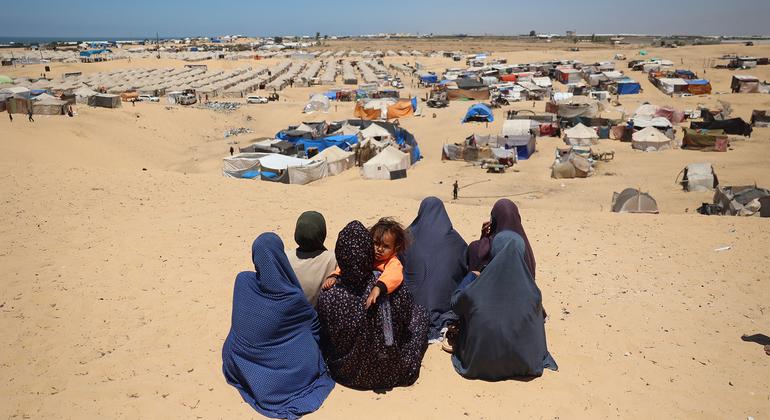
What little fuel remains is powering essential operations, but it is running out fast, and there are virtually no additional accessible stocks left, UN Spokesperson Stéphane Dujarric said, citing reports from the UN relief coordination office, OCHA.
“Hospitals are rationing. Ambulances are stalling. Water systems are on the brink. And the deaths this is likely to cause could soon rise sharply unless the Israeli authorities allow new fuel to get in,” said Mr. Dujarric.
“We need fuel urgently and we need it in large quantities to power the most essential parts, notably water desalination, hospitals and telecommunications,” he added, noting fuel has not entered the enclave in the last few months.
Khan Younis displacement
Meanwhile Israeli forces continue to attack civilian infrastructure in Gaza and issue new displacement orders.
On Tuesday, such orders were issued for parts of Khan Younis, specifically ordering those staying in tents to move, Mr. Dujarric reported.
The map published alongside the order indicates that some areas included had not been subject to displacement orders since before the March ceasefire, he said.
“The issuance of a displacement order does not relieve any party from the imperative to spare civilians, including those who are unable or unwilling to move.”
Safeguard hospitals
Mr. Dujarric also reiterated the UN World Health Organization’s (WHO) call to protect the Nasser Medical Complex in Khan Younis, warning that the hospital is overwhelmed with trauma injuries at double its capacity.
In a video message sent from the hospital on Monday, Rik Peeperkorn, WHO representative in the Occupied Palestinian Territory, said the facility is running critically low on trauma supplies, essential medicines, equipment and fuel, and that staff are exhausted.
Humanitarian movements
Meanwhile, OCHA reported that humanitarian movements inside Gaza remain heavily restricted: only four out of 12 attempts on Monday to coordinate movements with the Israeli security authorities were fully facilitated, and just one delivered supplies.
Four more attempts were rejected by Israeli authorities, halting efforts to evacuate patients, retrieve disabled trucks or clear debris.
Although the remaining four were initially approved, ground-level impediments ultimately undermined the ability to carry out the missions.
More from Geopolitics & Diplomacy Desk

Qatar’s 2030 Strategy Puts Productivity at Centre
Qatar’s next development phase is focused less on headline expansion and more on productivity, diversification and private-sector capability.
Oman Vision 2040 Seeks Quieter Path to Integration
Oman’s long-term reform agenda is drawing attention as a measured model of diversification, logistics and regional connectivity.

Synthetic drug market disrupted in Syria after regime change
Captagon, a highly addictive stimulant, has been circulating illegally from the Middle East to Africa and back with…