
Guterres renews call for Israel-Iran ceasefire
“I reiterate my call for immediate de-escalation leading to a ceasefire,” Mr. Guterres said in a statement in which he strongly appealled against any further internationalization of the conflict. “Any additional military interventions could…

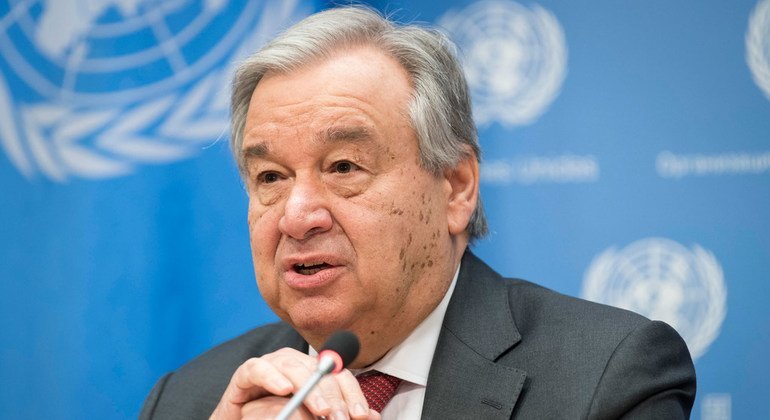
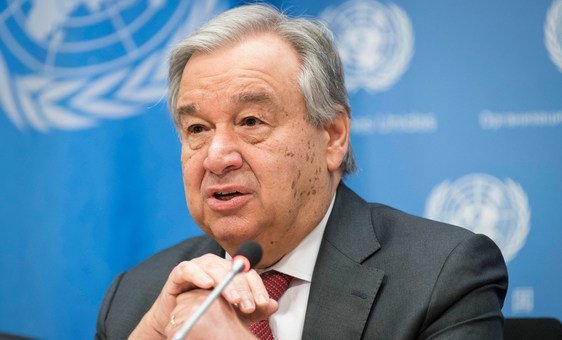
“I reiterate my call for immediate de-escalation leading to a ceasefire,” Mr. Guterres said in a statement in which he strongly appealled against any further internationalization of the conflict.
“Any additional military interventions could have enormous consequences, not only for those involved but for the whole region and for international peace and security at large,” he warned.
He condemned “the tragic and unnecessary loss of lives and injuries to civilians and damage to homes and critical civilian infrastructure.”
Deadly escalation
The crisis erupted on Friday when Israel began targeting nuclear and military sites across Iran, prompting Tehran to launch retaliatory strikes on Israeli cities.
Since then, more than 250 people have been killed across both countries, according to media reports.
The International Atomic Energy Agency (IAEA), which has been monitoring Iran’s nuclear programme for decades, said that it had received information that two centrifuge production facilities were struck on Wednesday.
The TESA Karaj workshop and the Tehran Research Center were previously under its monitoring and verification as part of a 2015 international agreement known as the Joint Comprehensive Plan of Action (JCPOA).
“At the Tehran site, one building was hit where advanced centrifuge rotors were manufactured and tested,” the agency said in a tweet. “At Karaj, two buildings were destroyed where different centrifuge components were manufactured.”
Last week, the IAEA passed a resolution declaring that Iran was not complying with its non-proliferation obligations.
The text noted Iran’s “many failures” to provide the agency with full and timely cooperation regarding undeclared nuclear material and activities at multiple undeclared locations in the country.
Diplomacy reigns supreme
As the crisis in the Middle East deepens, the Secretary-General stressed that “diplomacy remains the best and only way to address concerns regarding Iran’s nuclear programme and regional security issues.”
He underlined that “the UN Charter remains our shared framework to save people from the scourge of war,” urging all Member States to fully comply with the document and international law, including international humanitarian law.
More from Geopolitics & Diplomacy Desk
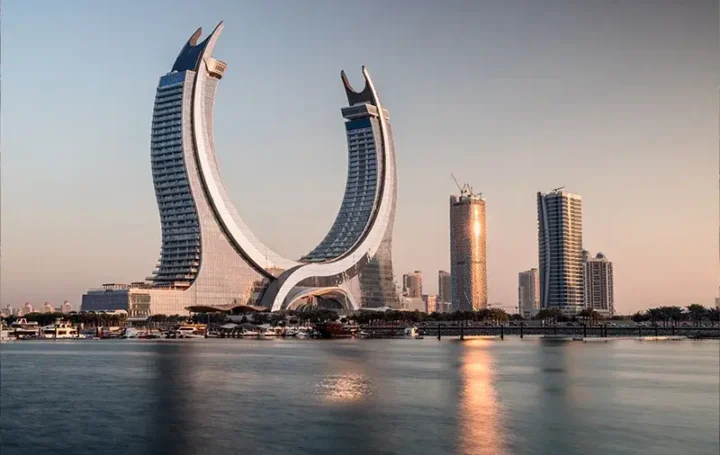
Qatar’s 2030 Strategy Puts Productivity at Centre
Qatar’s next development phase is focused less on headline expansion and more on productivity, diversification and private-sector capability.
Oman Vision 2040 Seeks Quieter Path to Integration
Oman’s long-term reform agenda is drawing attention as a measured model of diversification, logistics and regional connectivity.

UAE India CEPA 2.0: Trade Hits $100BN Early as ‘Bharat Mart’ Opens Doors
Four years after signing the historic CEPA, the UAE and India have smashed their 2030 trade target four…