
Rubella eliminated as a public health problem in Nepal: WHO
Rubella – which is commonly known as German measles – is a highly contagious viral infection, and particularly serious for pregnant women as it can lead to miscarriage, stillbirth or a range of debilitating…

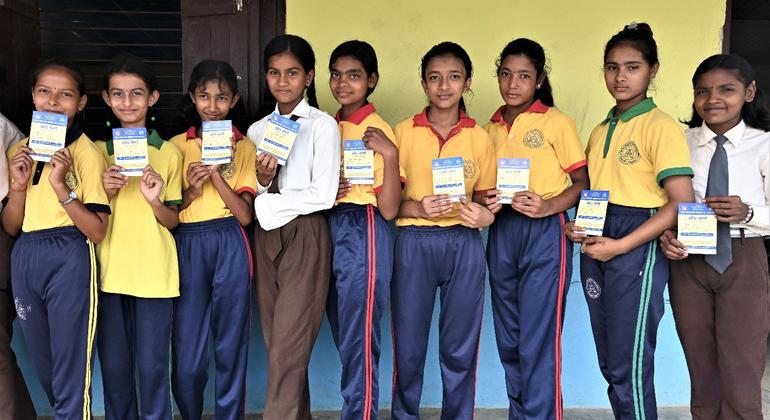
Rubella – which is commonly known as German measles – is a highly contagious viral infection, and particularly serious for pregnant women as it can lead to miscarriage, stillbirth or a range of debilitating birth defects. Safe and cost-effective vaccines have made it highly preventable.
“Nepal’s success reflects the unwavering commitment of its leadership, persistent efforts of the healthcare workers and volunteers, and unstinting support of engaged and informed communities, for a healthy start for babies and a future free of rubella disease,” said Catharina Boehme, Officer-In-Charge of WHO in Southeast Asia.
National immunisation push
Nepal introduced rubella vaccines via a 2012 immunisation programme, beginning with a nationwide campaign targeting children aged nine months to 15 years, with a second dose added to the routine schedule in 2016.
Despite major public health emergencies such as the COVID-19 pandemic and devastating earthquakes in 2015 and 2023, Nepal achieved over 95 per cent coverage of at least one dose of rubella vaccine by the start of 2024.
This Monday, WHO’s Regional Verification Commission for Measles and Rubella elimination made the official announcement: “This public health achievement is the result of close collaboration between the Government, dedicated health workers, partners and communities,” said Dr Rajesh Sambhajirao Pandav, WHO Representative to Nepal.
Innovative approach
Strategies such as promoting “immunisation month”, outreach to unvaccinated c
hildren, and efforts to have districts declared fully immunised gave fresh momentum to elimination efforts.
In addition, to further rubella surveillance, Nepal recently introduced a robust laboratory testing algorithm, the first country in WHO’s Southeast Asia Region to do so.
More from Geopolitics & Diplomacy Desk

Qatar’s 2030 Strategy Puts Productivity at Centre
Qatar’s next development phase is focused less on headline expansion and more on productivity, diversification and private-sector capability.
Oman Vision 2040 Seeks Quieter Path to Integration
Oman’s long-term reform agenda is drawing attention as a measured model of diversification, logistics and regional connectivity.

Synthetic drug market disrupted in Syria after regime change
Captagon, a highly addictive stimulant, has been circulating illegally from the Middle East to Africa and back with…