
Thailand grants work rights to long-term refugees from Myanmar, UN welcomes resolution
Some 81,000 forcibly displaced people are hosted in temporary shelters along the Thai-Myanmar border where they have been living in the camps for decades. Nearly half the refugee population were born under canvas, where…

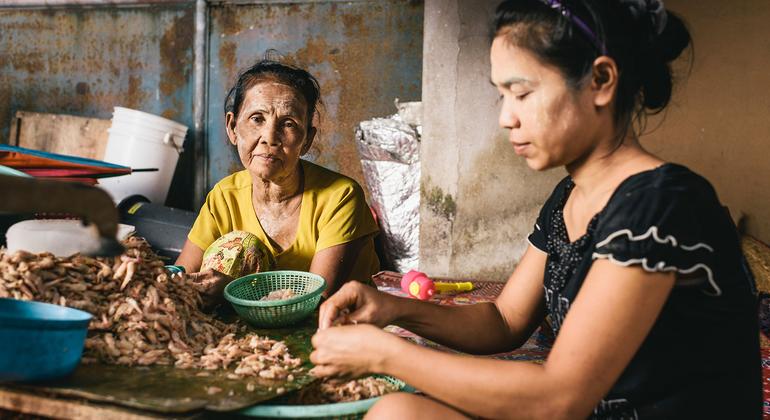
Some 81,000 forcibly displaced people are hosted in temporary shelters along the Thai-Myanmar border where they have been living in the camps for decades.
Nearly half the refugee population were born under canvas, where displaced families have largely depended on humanitarian assistance.
Over a million Rohingya, a mostly-Muslim minority from Myanmar, have fled conflict and persecution in multiple waves of displacement.
Monday marked eight years since the mass exodus of Rohingya from Myanmar’s Rakhine state in Myanmar and the UN on Monday called for greater international solidarity over their plight.
‘Turning point’
UNHCR’s Representative in Thailand, Tammi Sharpe, described the Government’s decision as a major “turning point.”
She said it would not only help refugees support themselves but also benefit local economies and strengthen Thailand’s long-term growth.
“By unlocking the potential of these individuals, Thailand is not only upholding humanitarian principles but also making a strategic investment in its own future,” Ms. Sharpe said.
Although the new resolution covers a limited number, the UN agency said it would continue to advocate for wider refugee inclusion – offering support to the Thai Government in rolling out the new policy.
Aid cuts
The move comes at a time when aid budgets for displaced people worldwide are facing severe cuts.
For the UN agency, Thailand’s move could set a regional precedent for sustainable, rights-based refugee policies – and serve as a model for countries facing similar challenges, UNHCR said.
According to agency, $25.4 million is needed in 2025 to ensure operations covered by the Thailand-based international office is sustained – which also oversees operations in Cambodia, the Lao People’s Democratic Republic and Viet Nam.
More from Geopolitics & Diplomacy Desk
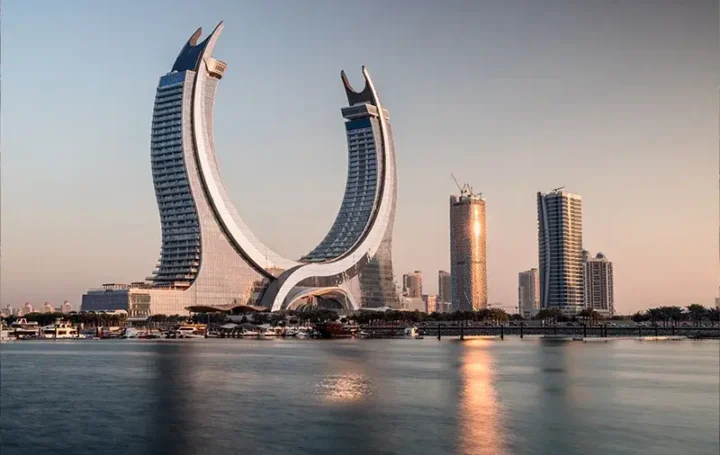
Qatar’s 2030 Strategy Puts Productivity at Centre
Qatar’s next development phase is focused less on headline expansion and more on productivity, diversification and private-sector capability.
Oman Vision 2040 Seeks Quieter Path to Integration
Oman’s long-term reform agenda is drawing attention as a measured model of diversification, logistics and regional connectivity.

Synthetic drug market disrupted in Syria after regime change
Captagon, a highly addictive stimulant, has been circulating illegally from the Middle East to Africa and back with…