
Dubai deploys AI-enabled system to cut metro inspection costs and boost safety
Dubai’s Roads and Transport Authority (RTA) has introduced an artificial intelligence-powered inspection system for the metro network that it says will reduce costs, improve safety and cut the time needed for maintenance checks. The…

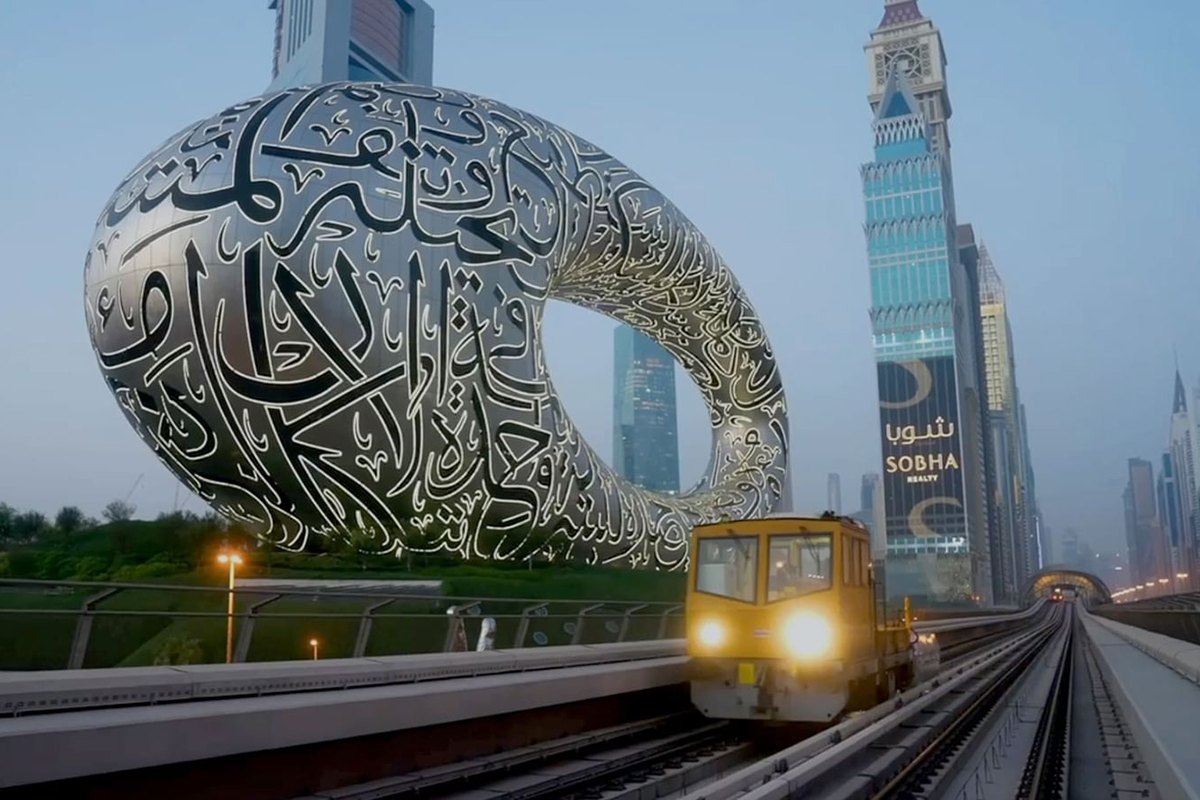
Dubai’s Roads and Transport Authority (RTA) has introduced an artificial intelligence-powered inspection system for the metro network that it says will reduce costs, improve safety and cut the time needed for maintenance checks.
The Automated Railway Infrastructure Inspection System (ARIIS), a robotic platform equipped with sensors, lasers and 3D cameras, autonomously inspects rail tracks and other critical infrastructure without disrupting metro operations, the RTA said in a statement carried by the Emirates News Agency (WAM).
The authority described the system as a model for employing AI in transport, in line with Dubai’s strategy to expand smart technologies and strengthen its position in sustainable infrastructure.
Cost and time savings
According to the RTA, ARIIS has enabled the application of proactive maintenance strategies that extend the lifespan of metro assets while reducing periodic maintenance costs by up to 25 per cent.
It has also cut the time required for routine inspections by 75 per cent, saving around 1,700 human working hours, the authority said. Traditional inspection methods have been reduced by as much as 70 per cent.
The system’s use of real-time data analytics has improved resource management efficiency by 40 per cent and minimised unnecessary interventions. Infrastructure condition assessments are now 40 per cent more accurate, which the RTA said has accelerated maintenance, reduced emergency interventions and enhanced overall network reliability.
Rollout and future use
The RTA said ARIIS is currently being phased in across selected metro lines, with plans to expand it to all routes once technical and operational evaluations are complete.
The authority added it is studying the possibility of extending ARIIS or similar technologies to other modes of transport, including the tram, depending on infrastructure and operational needs.
Data-driven inspections
The system collects data on rail conditions such as cracks, wear and tear, and deviations. The information is then analysed using AI algorithms to support predictive maintenance.
The RTA said this approach strengthens infrastructure sustainability, extends service life and ensures inspections are conducted in line with international occupational safety standards.
Inspections are coordinated with the metro control centre and carried out during nightly maintenance windows to avoid disrupting passenger services. The authority said inspections have become “faster and more accurate,” eliminating the need to suspend or delay operations.
More from Energy & Infrastructure Desk

Halal Lab-Grown Meat Abu Dhabi 2026: The ‘Impossible’ Chicken is Here (And It’s 100% Halal)
The theological debate is settled, the bioreactors are running, and the product is on the shelf. As Abu…

Six Flags Qiddiya Falcon’s Flight Review: Surviving the World’s Fastest Coaster
The wait is over. On New Year’s Eve, the gates to Qiddiya City finally opened. We were among…

Two of five bridges in Trade Centre Roundabout project opened ahead of schedule
The two bridges serve traffic from the 2nd December Street towards Sheikh Rashid Road and Al Majlis Street,…